Find a Black Therapist Serving Brisbane
Find Australian online therapists who work with Black Therapist and offer culturally informed counselling for people in Brisbane. Compare practitioner profiles, approaches, and availability to choose an option that fits your needs.






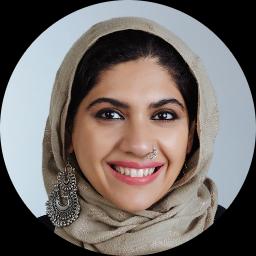
Sherryl Rozario
PACFA
Australia - 12yrs exp
















Why you might choose an online therapist who supports Black Therapist
If you are looking for a counsellor who understands issues tied to Black Therapist identity, online therapy can make it easier to connect with someone whose experience and approach resonate with you. You may be seeking support for experiences related to racial stress, identity development, intergenerational family dynamics, workplace microaggressions, or grief and loss shaped by cultural context. Speaking with a therapist who has training or lived experience relevant to Black Therapist matters because it can shape how they listen, ask questions, and work with culturally specific strengths and challenges.
Online sessions give you flexibility in how and where you meet, which can be especially helpful if your schedule or commitments make it hard to attend in-person appointments. You can choose a therapist who specialises in culturally responsive therapy methods or one who centres anti-racist practice in their work. When thinking about an online therapist for people in Brisbane, focus on the kinds of conversations you want to have and the practical arrangements that will support regular sessions - for example, evening availability or shorter appointment times if that suits your routine.
How to compare experience, focus and therapeutic approach
When you look at therapist profiles, pay attention to how they describe their experience and the populations they support. Some clinicians will highlight specific training in racial trauma, cultural competence, or community-based approaches, while others may emphasise particular modalities such as cognitive behavioural therapy, acceptance and commitment therapy, narrative therapy, or trauma-informed practice. Those labels can help you identify how a therapist structures sessions and what kinds of strategies they might use, but they are best understood in combination with descriptions of lived experience, cultural humility, and ongoing professional development.
Ask questions about how a therapist understands the particular issues you bring. You might want to know whether they have worked with people facing racism-related stress, migration-related challenges, or intergenerational family expectations. Some therapists mention whether they integrate community or cultural resources into counselling, and others describe how they support identity exploration and resilience. Practical information is important too - check session length, fees, whether they offer short-term or long-term work, and their policy for appointments that are cancelled or rescheduled. These details help you compare options and decide who to contact for an initial conversation.
What to expect in an online counselling session
Online counselling usually happens via video call, phone, or messaging, and therapists will often outline their preferred platforms in their profile. Before your first appointment, you can confirm what technology works best and what to do if a connection drops. You should plan to be in a comfortable environment and, if possible, a private space where you can speak without interruption. If privacy at home is challenging, discuss alternatives with the therapist - some sessions can be adapted to shorter formats or scheduled at quieter times.
The first few sessions typically focus on establishing rapport, setting goals, and getting a sense of your personal and cultural context. You can expect the therapist to ask about what brings you to counselling now, your support network, and any factors that influence your wellbeing. Over time you and the therapist will refine goals and agree on strategies that suit your preferences. Progress in therapy is variable and personal - some people notice change quickly, while others work through issues over months. Regularly checking in about what is and is not helpful ensures sessions align with your expectations.
Cultural considerations and building a trusting therapeutic relationship
Trust is often central to effective counselling, and cultural understanding can be a key part of that trust when you are looking for support related to Black Therapist experiences. You can look for therapists who describe cultural humility - an orientation that acknowledges ongoing learning and respect for your expertise about your life. It is reasonable to ask potential therapists how they approach race-related topics, whether they have experience working with similar concerns, and how they handle moments when cultural differences arise in the room.
Language around anti-racism, intersectionality, and advocacy can indicate a therapist's orientation to systemic issues. You may want someone who can hear and validate the impact of discrimination while also collaborating on practical coping strategies and long-term goals. If identity is a complex mix - crossing gender, sexuality, faith, or migration history - ask how the therapist integrates those dimensions into their work. A good fit often comes from a combination of technical skill and a relational stance that honours your cultural background and personal narrative.
How to start, prepare and get the most from online therapy
Starting online therapy begins with a clear enquiry - reach out to a few therapists whose profiles feel relevant and ask brief questions about their approach, fees, and availability. An initial phone call or intake conversation is a useful way to judge whether you feel comfortable with their style and whether the logistics will work for you. Prepare a few points you want to cover in your first session so you can use the time effectively. It can help to reflect on your immediate goals, what has or has not helped previously, and any practical needs such as language preferences or accessibility adjustments.
During the course of counselling, maintain open communication about what is working. If you are unsure whether to continue, bring that up in session - a good therapist will discuss options with you, including changes in focus, more practical strategies, or an agreed break. Check payment methods and ask whether they take health rebates or whether your workplace assistance program provides support for counselling. If sessions are cancelled, clarify the therapist's policy so you know what to expect. Finally, remember that finding the right match can take time. If your first choice does not feel right, you are within your rights to try another clinician until you find someone who fits your needs and preferences.
Closing thoughts
Choosing an online therapist who supports Black Therapist is a personal process that balances cultural fit, therapeutic approach, and practical arrangements. By comparing profiles, asking targeted questions, and paying attention to how comfortable you feel in early contacts, you can find a counsellor who helps you explore the issues that matter most. Use the listings to reach out and arrange introductory conversations - these will give you the best sense of whether a therapist is right for your journey.