Find a Women's Issues Therapist in Australia
Browse therapists and counsellors who specialise in Women's Issues and offer online support across Australia. Use the directory to compare backgrounds, therapeutic approaches, languages and professional credentials where indicated.








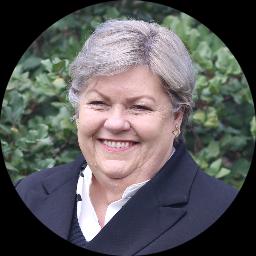
Sherryl Rozario
PACFA
Australia - 12yrs exp

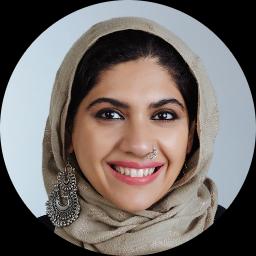
Hezreen Morgan
ACA
Australia - 11yrs exp












Understanding Women's Issues and how therapy can help
Women's Issues covers a wide range of emotional, relational and life-stage concerns that commonly affect people who identify as women. You may be looking for support with reproductive and postpartum matters, perimenopause and menopause transitions, experiences of abuse or coercion, body image and self-esteem, parenting and blended family dynamics, workplace stress, or the emotional fallout from relationship changes. Therapy and counselling provide a space to explore how these experiences affect your thoughts, feelings and behaviour, and to develop practical strategies to manage stress and improve day-to-day functioning. When you search for a therapist here, you will see information about the issues each practitioner specialises in, along with the approaches they use, so you can identify someone whose focus aligns with your needs.
Therapeutic work is collaborative. You and your counsellor or therapist will typically agree goals and revisit them as your work progresses. Some people find short-term targeted support suits their needs, while others prefer ongoing therapy to address deeper, long-standing patterns. The directory emphasises aspects you can compare directly - such as practitioner background and approach - so you can make an informed decision about who to contact for an initial consultation.
How to compare background, focus areas and therapeutic approaches
When you look at listings, pay attention to the way a practitioner describes their background and specialisations. Background can mean different things - formal training, years of experience working with specific populations, or additional professional training in areas like trauma-informed care, perinatal mental health, or couples counselling. Focus areas describe the types of issues the therapist commonly works with, and a clear description will help you decide whether their experience matches what you want to address.
Therapeutic approaches are another key factor. Some practitioners describe themselves as using cognitive-behavioural techniques, which focus on how thoughts and behaviour interact. Others may work from psychodynamic, person-centred, systemic or somatic orientations, emphasising different pathways to change. Neither approach is inherently superior; what matters is whether the approach feels like a good fit for you. Look for listings that explain how an approach is applied to Women's Issues so you can imagine what sessions might feel like. If a term is unfamiliar, you can contact the practitioner to ask how the approach is used in practice and what a typical session might involve.
Understanding credentials and professional memberships in Australia
What memberships and registrations indicate
Many practitioners list memberships with professional organisations to show the frameworks that guide their practice. In Australia, common organisations include the Australian Psychological Society, the Australian Association of Social Workers, the Australian Counselling Association and the Psychotherapy and Counselling Federation of Australia. Membership with a professional body typically indicates that a practitioner adheres to that organisation's code of ethics and continuing professional development expectations. It is useful information when you are comparing qualifications and practice standards across different practitioners.
It is important to understand that membership or accreditation with a particular organisation is not the same thing as a single national authorisation to practise. Each organisation has its own membership criteria and oversight arrangements. When a listing notes a specific credential or membership, you can view that as an indicator of training focus and professional commitments rather than as a universal licence. If you want more detail about what a membership or credential means for clinical scope or complaint handling, you can ask the practitioner directly or consult the organisation's published information.
Language, cultural responsiveness and specialised support
Therapy is most effective when communication feels natural and culturally resonant. Many therapists in the directory indicate which languages they speak and whether they specialise in culturally responsive practice. If you prefer to work in a language other than English, you can filter listings to find practitioners who offer sessions in that language. Descriptions will often note whether the practitioner is a native speaker or has professional-level fluency, and whether they bring cultural knowledge relevant to your community.
Cultural responsiveness also extends beyond language to include awareness of migration histories, faith backgrounds, family systems and gendered expectations that shape women's lives. When you review profiles, look for mention of experience working with particular communities or topics such as intergenerational relationships, migration-related stress or cultural perspectives on reproductive health. If you want to explore how your cultural context might shape therapy, ask potential practitioners how they incorporate cultural understanding into their work and what methods they use to ensure your perspectives are reflected in the therapeutic process.
Practical steps to choose a therapist and prepare for your first session
Initial contact and what to ask
When you contact a therapist, a short initial call or message is a useful way to get a sense of whether you will be comfortable working together. You might ask about their experience with your main concern, the therapeutic approach they would use, their availability for sessions, fee structure and cancellation policy. If language is important to you, confirm whether the practitioner can conduct sessions in that language and whether any interpretation is required. Asking about practical matters early helps you decide which practitioner to meet for a first appointment.
Preparing for an online session and accessibility
If you choose online counselling, set up a calm and uninterrupted private space where you can speak freely and attend without being disturbed. Make sure your internet connection, camera and microphone are working before the session. If accessibility needs are relevant, discuss them with the practitioner in advance - many practitioners can adapt session length, provide written summaries, or adjust communication style to suit hearing or mobility needs. If cost is a factor, ask whether the practitioner offers sliding-scale fees or a limited concession rate. Understand the cancellation terms so you know what happens if you need to change an appointment; many practitioners ask for a certain notice period if a session is cancelled.
Finally, think about what you want to accomplish in the near term. You do not need to have a detailed plan before you begin - many people start with a few immediate goals, such as reducing anxiety in specific situations or finding strategies to manage sleep and mood around hormonal changes. Over time, you and your therapist will refine goals together. If you ever feel that the match is not working, it is reasonable to raise this with the practitioner or to look for someone whose style better fits your needs. The directory is designed to help you compare options so you can take that next step with clarity and confidence.