Find a Men's Issues Therapist Serving Brisbane
Browse online therapists and counsellors who support men's issues for people in Brisbane. Use profile details to compare clinical approaches, areas of focus and availability before booking a first appointment.






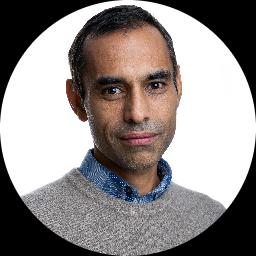
Sherryl Rozario
PACFA
Australia - 12yrs exp















How counselling can support men's issues
When you seek help for concerns commonly grouped under men's issues - such as managing stress, navigating relationships, coping with grief, addressing anger, or exploring identity - counselling offers a space to reflect and develop practical skills. A counsellor or therapist works with you to understand how personal history, social expectations about masculinity and current life demands interact to shape your thoughts, emotions and behaviour. Rather than promising a single fix, therapy helps you identify priorities, build coping strategies and practise new ways of relating to yourself and others.
The value of working with a practitioner who understands men's experiences lies in exploring patterns that may be taken for granted. You might examine how workplace norms, family roles or sporting cultures influence how you express vulnerability, ask for help or manage conflict. Therapists use a range of methods to support change - talking therapies, behavioural experiments, problem-solving and skills-based approaches - and will often tailor those methods to the issues you bring. If you are unsure what to expect, a short initial session can clarify how a therapist would approach your situation and whether you feel comfortable working with them.
What to expect from online counselling in Brisbane
Online counselling has become a common way to access support because it removes the need to travel and lets you connect from a location that suits you. For people in Brisbane, online sessions mean you can work with practitioners who serve the city without relying on in-person appointments. Sessions are usually held via video or phone and follow a similar structure to face-to-face work - intake, goal setting, therapeutic conversation and planning for next steps. Length and frequency vary, but many practitioners offer sessions of around 45 to 60 minutes on a weekly or fortnightly basis.
Practical considerations matter. Choose a quiet, private space where you will not be interrupted, and make sure your internet connection and device camera or microphone are working before an appointment. If a session needs to be cancelled, check the practitioner’s cancellation policy and any fees that apply. Many counsellors provide receipts that you can submit for rebates if you have a referral or mental health plan from a GP. Discuss payment methods, session length and expected timeframes during an initial conversation so you know how the process will work for you.
How to compare therapists and counselling approaches
When you look at profiles of online therapists serving people in Brisbane, focus on the fit between your needs and the therapist’s experience and approach. Pay attention to the issues they list, whether they note experience with men’s mental health, relationships or life transitions, and the therapeutic modalities they use. Therapists may describe approaches such as cognitive behavioural techniques, acceptance and commitment therapy, psychodynamic work or trauma-informed care. These labels give an indication of how they conceptualise problems and the strategies they are likely to use in sessions.
Beyond modalities, consider questions to ask in an initial enquiry: What experience do they have working with issues similar to yours? How do they approach conversations about masculinity and gender? What are their typical session rhythms and how long might you expect to work together? It is reasonable to ask about fees and whether they offer reduced rates or sliding scale options. You do not need to commit to a long-term plan at the outset - many people try a few sessions to assess whether the practitioner’s style and recommendations feel helpful. A good match is often as important as any specific technique.
Cultural and practical considerations for people in Brisbane
Brisbane is home to diverse communities and cultural backgrounds, and those factors can shape how you prefer to work with a counsellor. You may prioritise a practitioner who has experience with particular cultural groups, who understands the role of family expectations, or who can adapt their approach to match your values. If cultural safety or familiarity with Indigenous perspectives matters to you, ask about that experience directly in your enquiry. Many therapists include details about cultural competence on their profiles so you can make an informed choice.
Workplace norms and masculine ideals can also differ across industries and age groups, and a practitioner who understands those contexts can help you translate insights into everyday changes. If you juggle shift work, parenting responsibilities or irregular hours, discuss scheduling flexibility and what to do if a session is cancelled due to work demands. Being upfront about practical barriers helps the therapist recommend realistic strategies and keeps the work sustainable. If you are supporting a partner, fathering children or re-entering relationships after separation, specialised experience in those areas can be especially useful.
Preparing for your first session and making the most of counselling
Preparing for an initial appointment can reduce anxiety and make the first conversation more productive. Think briefly about what you want to achieve from counselling - whether it is reducing daily stress, improving communication, managing anger or understanding a pattern you want to change. Note any recent events or long-standing concerns that feel most pressing. During the first session you can expect the practitioner to ask about your history, current relationships and what has brought you to seek support now. You should also use that time to ask practical questions about fees, scheduling, session length and privacy protections and their limits.
Be honest about what has worked or not worked for you in the past. Therapy progresses faster when you share candid feedback about what feels useful and what does not. If you ever feel overwhelmed during a session, tell the practitioner - they can slow the pace, shift focus or agree on follow-up steps. If you are in crisis or feel at immediate risk, contact local emergency services or crisis lines in Brisbane for urgent support. Counselling is a collaborative process and you have an active role in shaping its direction - setting clear goals, agreeing on methods and reviewing progress regularly helps keep the work aligned with your priorities.
Next steps
Start by browsing profiles of therapists and counsellors who serve people in Brisbane, paying attention to descriptions of experience, approaches and practical details. Reach out with a short enquiry to see how a practitioner responds and whether their communication style feels like a fit. Trying a few sessions often gives the clearest sense of whether a therapist suits your needs. Taking that first step can feel difficult, but many people find that focused, professional support helps them think differently about challenges and try new ways of living that better reflect their values and goals.