Find a Solution-Focused Therapy Therapist Serving Melbourne
Browse online counsellors and therapists who practise Solution-Focused Therapy and serve people in Melbourne. Use filters to compare approaches, availability and session options to find a suitable match. When you are ready, contact a practitioner to discuss their online process and arrange an initial appointment.










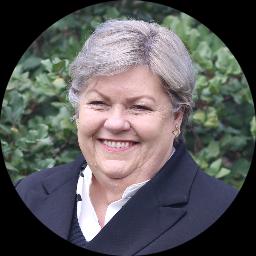
Tracey Wisdom
AASW
Australia - 7yrs exp


Hezreen Morgan
ACA
Australia - 11yrs exp











What Solution-Focused Therapy is and how it works online
Solution-Focused Therapy is a goal-oriented approach that emphasises practical steps and existing strengths rather than dwelling on past problems. In sessions you and your counsellor focus on clear, achievable goals and on identifying the small changes that can move you toward those goals. The method is typically short-term and collaborative - you and the practitioner explore what works for you and build on that. Online delivery adapts these core elements to a digital setting, using conversation and structured questions to generate possibilities and track progress.
When you choose online sessions, the conversation remains central. A counsellor will still use key Solution-Focused techniques such as asking exception-finding questions, exploring preferred futures, and scaling progress. The online format can make it easier to fit counselling into a busy life because you do not need to travel to appointments. For some people, being in your own home or another chosen location can make it easier to access real-world examples between sessions and apply new strategies immediately. If you prefer a more active, brief, and goal-centred approach, Solution-Focused Therapy delivered online can be a practical option to explore.
What to expect in an online Solution-Focused session
Sessions usually begin with a brief discussion about what you want to achieve and what will indicate progress. Your counsellor will invite you to describe a preferred future and to identify times when aspects of that future have already happened, even briefly. From there you will co-create small, practical steps to increase those moments, and you will often be asked to notice and report back on changes between sessions. Typical session length is similar to in-person counselling - around 45 to 60 minutes - and the number of sessions varies depending on your goals and the pace of progress.
Online sessions may use video, phone calls, or messaging options depending on the practitioner. Video allows for more visual cues and a conversational flow that resembles face-to-face work. Messaging or phone sessions can suit people who prefer fewer visual prompts or who need flexible timing. Regardless of format, you should expect to talk about immediate goals, experiment with small adjustments in your day-to-day life, and review what helps. Progress tends to be measured in practical steps rather than diagnostic categories, so you will be encouraged to notice real changes and build on them.
How to compare therapists and what to ask
When you compare practitioners, start by looking at their experience with Solution-Focused Therapy and their broader counselling background. Some counsellors combine Solution-Focused work with other approaches, and that combination can be helpful depending on your needs. It is reasonable to ask about how long they have worked with SFT, whether they have completed additional training, and how they tailor the method for online delivery. You can also enquire about their approach to goal-setting and how they measure progress across sessions.
Questions to guide your comparison
Ask about practical details that affect your day-to-day experience. Find out what platforms they use for online sessions and how they handle appointment changes or cancellations. Ask how they manage time between sessions, what a typical initial appointment covers, and how feedback is used to adapt the plan. If cultural fit matters to you, ask how they work with people from similar backgrounds or with your specific concerns. These conversations help you judge whether a practitioner's style and logistical arrangements fit your expectations.
Who might benefit and what limitations to consider
Solution-Focused Therapy is often suited to people who want short-term, goal-directed counselling focused on practical change. If you are looking to make specific improvements in areas such as relationships, work habits, coping strategies, or day-to-day functioning, the focus on solutions and actionable steps can be helpful. You can expect an emphasis on your strengths and on amplifying what already works rather than a long exploration of past causes. That approach can feel energising if you prefer concrete tasks and measurable progress.
There are also situations where you might want to consider alternate or complementary approaches. If your concerns are complex, long-standing, or involve crisis planning, discuss these openly with a counsellor to confirm fit. Some people combine Solution-Focused sessions with other counselling modalities to address deeper emotional material while still working toward practical outcomes. In an online setting, consider whether your environment allows you to engage fully in sessions and whether you have access to immediate support if a strong emotional reaction arises between appointments. A good practitioner will discuss these considerations with you and suggest options if a different approach would be more suitable.
Practical tips for participating in online Solution-Focused counselling
Prepare for sessions by choosing a place where you can speak without interruptions. If possible, be in a private space where you feel comfortable and able to reflect openly. Check that your internet connection and device are working ahead of time, and familiarise yourself with any software the counsellor uses. Keep a short notebook or digital notes about small changes or exceptions you notice between sessions so you can report them easily and the practitioner can help you build on progress.
Be clear with the counsellor about scheduling, fees, cancellation policies and preferred modes of communication. If sessions are conducted across different time zones, confirm appointment times carefully. Keep in mind that emergency response options differ in online counselling, so discuss beforehand what steps to take if you have a significant increase in distress between sessions. Setting these boundaries and plans early will help you get the most from a short-term, action-oriented approach.
Making a choice and getting started
Choosing a practitioner is a personal decision that combines clinical fit and practical logistics. You do not need to commit to many sessions upfront; many people begin with an initial appointment to see whether the counsellor's style and the online format work for them. During that first meeting you can test the working relationship, clarify goals and ask about how progress will be reviewed. If the match feels right, you can agree on a plan and the frequency of follow-up sessions.
As you begin, remember that Solution-Focused Therapy emphasises small, achievable steps. You are likely to leave sessions with a clear idea of what action to try between meetings and a simple way to report back on results. Over time those small steps can accumulate into meaningful change. If you are exploring online options for people in Melbourne, use the listing filters to compare practitioners' approaches, availability and session formats, and reach out to ask the questions that matter to you before booking.