Find a Female Therapist Serving Darwin
Browse Australian online female therapists who serve people in Darwin and surrounding areas. Use the filters to compare therapeutic approaches, experience and availability to find a counsellor who meets your needs.



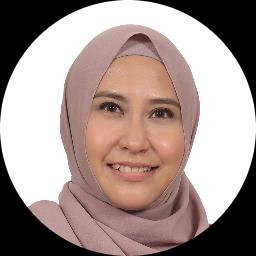








Sherryl Rozario
PACFA
Australia - 12yrs exp


Tracey Wisdom
AASW
Australia - 7yrs exp


Hezreen Morgan
ACA
Australia - 11yrs exp








How an online female therapist can support you
Choosing to work with a female therapist online can shape how you feel understood and how comfortable you are discussing certain topics. For many people, gender of the clinician matters when talking about experiences such as perinatal concerns, reproductive health, gender-based trauma, family violence, relationship dynamics and cultural expectations. An online setting removes the need to travel and can make it easier to fit counselling into a busy schedule, while allowing you to focus on the issues that matter most in a familiar location.
Therapeutic support takes different forms depending on what you bring to sessions. You might be looking for short-term skills training to manage anxiety or low mood, or you may want a longer-term therapeutic relationship to explore patterns in relationships, self-esteem or life transitions. A female therapist may also bring specific lived experience, perspectives or training that align with your needs. When searching, think about the kinds of conversations you want to have and the outcomes you hope to achieve - that clarity will help you match with a counsellor whose approach fits your goals.
Comparing experience and clinical approaches
When you compare therapists, look beyond labels and read how they describe their work. Many practitioners outline the approaches they use, such as cognitive behavioural work to address unhelpful thinking and behaviours, acceptance and commitment approaches that focus on values and actions, trauma-informed methods that prioritise safety and pacing, or psychodynamic work that explores relational patterns over time. Ask yourself whether you prefer structured, skills-based sessions or a more exploratory therapy. That preference will influence how comfortable you feel and how quickly you notice changes.
Experience matters in specific areas. If you are seeking help for perinatal mental health, navigating separation after a relationship ends, or processing a history of complex trauma, you can narrow your search by checking for clinicians who mention that focus. You may also want someone who understands culturally responsive practice or who has experience supporting particular communities. When reading profiles, note how therapists describe their work with diverse populations and whether they mention ongoing professional development or supervision, as those details often indicate how they maintain and refine their practice.
Practicalities of online counselling and what to expect
Online therapy is delivered via video, phone or messaging, and each mode has practical differences you should consider. Video sessions more closely resemble in-person meetings with non-verbal cues and screen sharing for worksheets, while phone sessions can be less formal and easier to fit into a day when you cannot be on camera. Some therapists offer text or messaging support between sessions; others restrict contact to scheduled appointments. Consider what level of accessibility you need and whether you want short check-ins or strictly timetabled sessions.
Technical needs are straightforward - a reliable internet connection and a device with a camera and microphone for video calls. You should also choose a private space where you can talk openly without interruptions. Therapists often explain their cancellation policy, session length and fees on their profile. Many professionals have systems for rescheduling when sessions are cancelled and will discuss how continuity of care is managed. If you are covered by an insurer or a workplace program, ask the therapist about receipts and whether their billing aligns with your reimbursement process.
Questions to ask when comparing female therapists
It is useful to prepare a few questions before you book an initial appointment. You can ask about the therapist's experience with the issues you want to address and what therapeutic approaches they typically use. Ask how they structure sessions and whether they offer goal-setting or progress reviews, as these practices can help keep work focused and measurable. If cultural background or identity factors are important to you, enquire about the therapist's experience working with people from similar backgrounds and how they adapt their approach to be respectful and relevant.
Clarifying practical matters is also important. Ask about appointment length, how to reschedule if you need to, and whether they provide resources between sessions such as worksheets or reading. If you are concerned about the way information is handled, ask how notes and records are kept and whether they will discuss limits to privacy at the start of work together. These conversations help set expectations and establish a professional way of working that fits your needs.
Preparing for your first sessions and building a working relationship
The first couple of sessions are often about building rapport and setting direction. You can expect to share some background information and then work with the therapist to set goals or identify themes to focus on. Early sessions are a chance to see whether the therapist's style fits your preferences - some people feel comfortable right away, while others take time to develop trust. You are entitled to say how you prefer to receive feedback and to raise concerns about the pace or focus of therapy at any time.
Therapy is collaborative. You should feel able to review progress with your therapist and ask for adjustments if needed. If you find the fit is not right after a few sessions, it is appropriate to discuss this and, if necessary, look for another clinician. This is a common part of finding the best match. If you return to therapy after a break, many therapists will work with you to re-establish goals and review strategies that were previously helpful. Continuity, honesty and clear communication are the practical foundations that help therapy be effective for you.
Final considerations when searching in Darwin
When you search Australian directories for female therapists serving people in Darwin, keep your priorities front of mind - whether that is a particular therapeutic approach, experience with specific life stages, or a counsellor who understands cultural and gender-related concerns. Use the information on profiles to compare approaches and availability, and reach out with questions before booking if you need clarification. Starting therapy is a personal decision and taking the time to compare options increases the likelihood that you will find a counsellor who supports your work in a constructive way.
Begin by identifying the issues you want help with, consider the therapy style that suits you, and ask practical questions about appointments and fees. With that preparation you can make an informed choice and start a process that supports your wellbeing and personal goals. If you are unsure where to begin, a short introductory call with a counsellor can help you get a sense of fit before committing to ongoing sessions.