Find a Female Therapist in Australia
Female Therapist listings help you compare counsellors and therapists offering support across Australia. View professional background, therapeutic approaches, languages spoken, areas of focus and credentials where supplied to decide who may be a good fit.



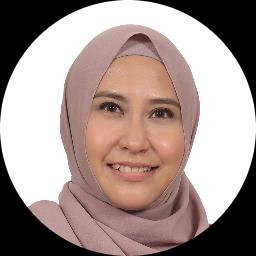








Sherryl Rozario
PACFA
Australia - 12yrs exp


Tracey Wisdom
AASW
Australia - 7yrs exp


Hezreen Morgan
ACA
Australia - 11yrs exp








Why you might look specifically for a female therapist
Choosing a female therapist can be about more than gender alone. For many people a female practitioner can feel easier to talk with when discussing gender-specific health matters, reproductive and maternity-related concerns, family roles, or experiences of sexual assault and domestic violence. You may also prefer a therapist who shares cultural or life-stage perspectives that align with your own. Selecting a female counsellor is a personal choice about comfort, communication style and perceived empathy.
When you search, consider how important gender is relative to other factors such as therapeutic approach or language. For some people gender is the primary consideration; for others it is one of several attributes that together create a sense of rapport. The directory lets you filter by multiple criteria so you can weigh gender alongside experience, training and the areas each therapist specialises in.
What to compare in a therapist listing
When you view profiles you can compare several practical and clinical details that help you make an informed choice. Look for education and clinical background so you understand the training a therapist completed. Check the focus areas listed - for example relationships, anxiety, depression, grief, trauma or parenting - to see whether their day-to-day practice aligns with your needs. Approach matters too: many therapists describe the models they use, such as cognitive behavioural therapy, acceptance and commitment therapy, psychodynamic work, interpersonal approaches or trauma-informed methods.
Experience and years in practice are often shown on profiles, but consider the nature of that experience as well. Some therapists specialise in early career clinical work while others have extensive history with complex trauma, perinatal mental health or family counselling. Language offerings are commonly listed so you can find counsellors who speak your language or who provide bilingual support. Finally, profiles often include information about session formats - in-person, online video or phone - and practical details like fees and cancellation policies so you know what to expect before you make contact.
Understanding credentials and professional bodies in Australia
How credentials appear on listings
Profiles may show memberships, qualifications and registrations. These give context about a therapist’s professional pathway but do not mean that every clinician has the same regulatory status. In Australia certain health professions are registered with national regulators, while other roles are represented through professional associations. A credential listed on a profile should be read as an indicator of training, supervision and ethical obligations rather than a single national licence that covers every type of counsellor or therapist.
Common Australian organisations and what they mean
The Australian Health Practitioner Regulation Agency, often abbreviated as AHPRA, oversees registration for some health professions such as psychologists. Membership of a professional association like the Australian Psychological Society indicates affiliation with a recognised body and access to continuing professional development. Organisations such as the Australian Counselling Association and the Psychotherapy and Counselling Federation of Australia are membership bodies for counsellors and psychotherapists; members typically agree to codes of practice and ongoing training. When you read a profile, you can check what each credential stands for and whether the therapist describes their scope of work and registration if relevant.
How to evaluate fit before your first session
Finding the right therapist is part practical and part instinctive. Before you book, read profile summaries and any client-centred statements to see whether the therapist’s focus matches your priorities. When you make initial contact ask about their experience with issues similar to yours, their typical approach in early sessions, session length and whether they offer online appointments across states. You can also ask about fees, sliding scale options or bulk-billing arrangements if they are relevant to you. Transparency at this stage helps you plan and reduces surprises.
During your first appointment pay attention to communication style and whether you feel heard. It is normal to need a few sessions to assess fit. If something does not feel right you have the option to try another practitioner. You might also discuss practical matters such as cancellation policies and notice periods for rescheduling - note that some therapists have specific timeframes before a session is cancelled without charge. Thinking ahead about these details makes it easier to maintain continuity if you proceed with ongoing counselling.
Finding therapists who speak your language and meet cultural needs
Language and cultural matching can be important for clear communication and cultural understanding. Many profiles list languages spoken in addition to English. If a therapist offers sessions in your first language you may find it easier to express complex emotions and cultural context. Where bilingual options are not available, some therapists work with accredited interpreters or have cultural competency training to support clients from diverse backgrounds. You can enquire directly about how language support is provided and whether the therapist has experience with issues common in your cultural community.
When you search for culturally informed care, look for statements about cultural competence, experience with migrant or refugee clients, LGBTQIA+ inclusivity or faith-sensitive practice. Therapists often describe the communities they work with and the kinds of family, cross-cultural or identity-related issues they specialise in. If cultural safety is a priority for you, ask about the therapist’s ongoing professional development and how they incorporate cultural awareness into therapy sessions.
Getting the most from your search and next steps
Use the directory filters to narrow by the attributes that matter most to you - for example gender, approach, language and availability. Read profile descriptions carefully and note any comments about session format, fees and cancellation terms. Many therapists include a short introductory statement about how they work and what clients can expect from early sessions; these summaries can help you imagine what a first appointment will feel like.
Once you identify several practitioners you might contact two or three to compare responses. A quick phone or email exchange can reveal how they manage initial assessments, waiting lists and appointment times. Keep in mind that therapeutic fit evolves over time - you may feel an immediate connection or you may prefer to try a few sessions before deciding. Whatever you choose, the directory is designed to give you clear information so you can make an informed and practical decision about the female therapist who best meets your needs.