Find a Bipolar Therapist Serving Brisbane
Browse online therapists serving people in Brisbane who support Bipolar-related concerns. Use the listings below to compare approaches, experience and availability and to book an initial consult.








Dr. Guan Wang
ACA
Australia - 13yrs exp










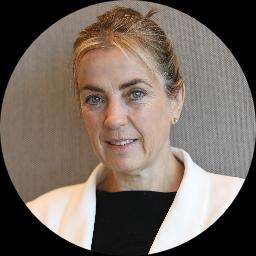

Frieda Kagola
AASW
Australia - 7yrs exp




How online therapy can support people managing Bipolar
If you are seeking support for Bipolar-related challenges, online therapy can provide a flexible way to work with a counsellor or therapist from where you are in Brisbane. Many people use online sessions to build skills for managing mood swings, improve sleep and daily rhythms, and strengthen relationships affected by mood changes. Therapy is often focused on helping you recognise patterns, develop coping strategies for intense moods, and create routines that support steadier behaviour and wellbeing.
Online approaches allow you to maintain continuity of care when travel, work or family commitments make face-to-face appointments difficult. You can work on practical strategies such as activity scheduling, interpersonal communication techniques and paced exposure to triggers while also exploring the emotional and relational impact of mood changes. Therapy is not a substitute for medical care; instead it can be a complementary space to develop tools, plan for times when symptoms change, and coordinate with other healthcare providers if you choose to do so.
What to look for in therapist experience and therapeutic approaches
When comparing online therapists serving people in Brisbane, pay attention to the approaches they describe and the kinds of experience they note in their profiles. Some counsellors and therapists specialise in mood conditions and will describe training or long-term clinical experience with people whose mood varies over time. Other practitioners may highlight particular modalities that are relevant, such as cognitive behavioural therapy, interpersonal and social rhythm therapy, family focused therapy, acceptance and commitment therapy or mindfulness-based approaches. Each approach has a different focus - some emphasise behavioural routines and sleep, others concentrate on thought patterns, values and relationships.
Look for therapists who explain how they adapt their methods to your goals. A helpful profile will outline what a first few sessions might involve, how progress is reviewed, and whether the therapist works collaboratively with GPs, psychiatrists or other supports. It is also reasonable to check practical details such as session length, fees and cancellation policies so you can compare options on the basis that matters most to you.
Questions to ask before you book
Before you commit to a first session, have a list of questions ready so you can make an informed choice. Ask about the therapist's experience working with people who have Bipolar-related concerns and request examples of the kinds of strategies they use. Enquire how they structure treatment, how many sessions they expect people to attend initially, and how they measure progress over time. You might ask whether they provide written resources or worksheets between sessions and if they offer crisis planning guidance.
It is also practical to ask about telehealth logistics - what platform they use, whether sessions are by video or phone, and what happens if a session needs to be cancelled. Clarify fees and whether they provide receipts that you can use for reimbursement where relevant. If you are currently taking medication or seeing other health professionals, ask how the therapist coordinates care and how they work alongside prescribers when needed. These conversations help you set expectations and choose someone whose style and availability match your needs.
Practical considerations for online sessions in Brisbane
Organising online therapy in Brisbane requires some simple practical planning to make sessions as useful as possible. Choose a room where you can talk without interruptions and where you feel comfortable. If you prefer, describe this as a private space in your home where you will not be overheard. Test your internet connection, camera and microphone before the first appointment and consider using headphones for clearer audio. If you expect interruptions from family or flatmates, let your therapist know so you can agree on how to manage them.
Time scheduling is another consideration. Brisbane follows Australian Eastern Standard Time and may observe daylight saving changes in other states at different times, so confirm appointment times if you or your therapist travel or work across time zones. Make sure you know the therapist's cancellation policy and how to reschedule if something is cancelled. Importantly, discuss an emergency plan at the beginning of therapy - ask what steps you should take if you are distressed between sessions and who you can contact locally for urgent help, such as your GP or emergency services. Knowing the next steps in a crisis can make online work feel more manageable.
Making the most of therapy and combining supports
To get good value from online therapy, be prepared to engage with the process between sessions. Therapists often suggest practical tasks such as mood monitoring, sleep tracking and experimenting with routine changes. These activities help you and your therapist identify patterns and test strategies in real life. Set clear goals for what you want to achieve in therapy and revisit them with your therapist so that progress is visible and adjustments can be made when needed.
Therapy often works best when it is integrated with the other supports you might use. If you are seeing a GP or a psychiatrist, you may want to ask your therapist how they prefer to communicate with those professionals and whether you consent to information sharing. Some people include family members or partners in occasional sessions to improve communication and set boundaries. If a particular therapist or approach is not a good match, it is reasonable to change counsellors - the working relationship matters and switching can be part of finding the right fit for you.
Choosing a therapist who fits your needs
Comparing online therapists serving people in Brisbane is a process of matching approach, availability and personal rapport. Profiles and initial enquiries can tell you a lot about a therapist's training, the methods they use and their practical arrangements. Use that information to prioritise what matters most to you, whether that is experience with mood conditions, evening availability, a particular therapeutic model or the option of shorter or longer sessions.
Trust your impressions from an initial consultation. A good first session will feel collaborative - you should leave with a clearer idea of how the therapist plans to work with you and the kinds of tasks you might expect. If you need to change direction, discuss this openly with your therapist or look for another practitioner who aligns more closely with your goals. Seeking help is an important step, and comparing online therapists allows you to find someone who can support you in a way that fits your life in Brisbane.