Find a Cancer Therapist Serving Darwin
Find online counsellors who support people with cancer serving Darwin. Browse profiles to compare therapeutic approaches, experience with cancer-related concerns and session availability before contacting a counsellor to arrange a first appointment.




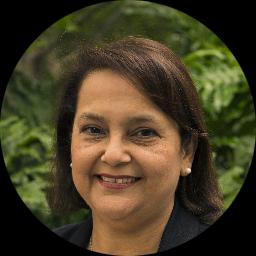
Sherryl Rozario
PACFA
Australia - 12yrs exp

















How counselling can support you when cancer affects your life
Facing a cancer diagnosis or living with the effects of treatment often involves more than physical symptoms. You may be dealing with changes to daily routines, shifting roles in family and work, worry about the future, or grief for losses large and small. Counselling provides a focused space to process those emotions, develop coping strategies and re-establish a sense of agency. It can help you navigate communication with family, make decisions about priorities, and respond to forward-looking concerns such as planning for changes in work or relationships.
Therapy is also used to manage the psychological fallout of side effects, fatigue and shifts in identity that sometimes accompany a cancer experience. You can work with a counsellor to learn techniques for stress reduction, problem-solving and behavioural strategies that support wellbeing. For many people, talking about fears, anger and sadness with a skilled counsellor reduces isolation and helps keep day-to-day functioning steady during uncertain times.
Comparing counsellors - experience, approach and clinical focus
When you compare online counsellors serving people in Darwin, consider how their experience aligns with the issues you want to address. Some counsellors specialise in working with people affected by cancer or in bereavement support, while others bring strengths in anxiety management, relationship counselling or chronic illness adjustment. Look for descriptions that mention direct experience with oncology-related concerns, family systems around serious illness, or grief and loss work.
Therapeutic approach matters because it shapes how sessions unfold. Cognitive approaches focus on identifying and shifting unhelpful thinking patterns. Acceptance and commitment approaches help you live meaningfully alongside difficult thoughts and feelings. Meaning-centred and existential approaches explore values, meaning and identity when illness raises big life questions. Some counsellors integrate mindfulness, relaxation training and behavioural strategies to manage symptoms such as anxiety and sleep disruption. You do not need to choose only one model - many counsellors describe an integrative style and will tailor methods to your goals.
Also consider practical experience with telehealth. Online counselling has specific dynamics - managing technology, fostering connection through a screen and adapting exercises for remote delivery. Counselors who routinely provide online sessions will be familiar with these adjustments and can describe how they keep sessions productive and empathic over video or phone.
What to expect in online counselling sessions
Your first session is usually an opportunity to get to know a prospective counsellor and to share what has brought you to counselling. You can expect questions about your current concerns, treatment history, support network and what you hope to achieve. This is a chance for you to ask about the counsellor's experience with cancer-related issues, their usual session length and frequency, and how they measure progress. You should feel able to discuss practical matters such as availability, fees and the counsellor's approach to cancellations and rescheduling.
Subsequent sessions may combine emotional exploration with practical skill-building. Counselling may include developing strategies for managing intrusive worries, improving sleep and energy regulation, practising communication with family or medical teams, and working through anticipatory grief or loss. Many people find it helpful to set short-term goals for immediate relief and longer-term goals about relationships, identity or meaning.
From a practical perspective, prepare a comfortable environment for sessions by choosing a private space where you will not be interrupted. Check your internet connection and test audio and video ahead of time. If you prefer phone sessions rather than video, discuss that option at the outset. If you are supporting an older relative or a child, ask about family or carers' involvement - some counsellors offer conjoint sessions that involve multiple family members.
Practical considerations - fees, referrals, cultural needs and accessibility
Cost and accessibility are important when choosing an online counsellor. Fees vary across practitioners and some counsellors offer sliding scale arrangements, concessions or bulk-billed options where applicable. If you are seeking financial support through rebates or referral schemes, ask the counsellor how they handle those arrangements and whether a referral from a general practitioner or allied health professional is required. Clarify the payment methods they accept and their policy for cancelled sessions so there are no surprises.
Cultural safety is a vital part of quality care. If you identify as Aboriginal or Torres Strait Islander, come from a culturally diverse background or want counselling in a language other than English, look for counsellors who explicitly mention cultural competence or multilingual practice. You can ask about their experience working with diverse communities and how they adapt their approach to align with cultural values. Accessibility needs should also be discussed - if you have mobility issues, sensory considerations or neurodiversity, inquire about how sessions will be adapted to support your participation comfortably.
Working with family, bereavement and transitions in care
Cancer affects relationships as well as the person diagnosed. You may want to include family members or a partner in counselling to improve communication, negotiate caregiving roles or process shared grief. Some counsellors offer family therapy or sessions that combine individual and family support. If you are supporting someone through end-of-life care or a bereavement, counselling can provide tools to manage anticipatory grief, practical planning conversations and the emotional aftermath of loss.
Transitions are common - you might move from active treatment to surveillance, from curative goals to palliative approaches, or from intensive medical contact to fewer follow-ups. Each transition can bring different emotional work. A counsellor who understands these phases can help you anticipate emotional reactions and plan coping strategies. If your needs change, discuss how therapy might shift - shorter check-in sessions, a time-limited counselling plan or a referral to another specialist if you require a different type of support.
Finding the right fit and getting started
Finding a counsellor who is a good fit often involves an initial conversation. You can use a short phone call or an introductory session to gauge whether you feel heard and understood, and whether the counsellor's style matches your expectations. Ask about their experience with cancer-related concerns, how they approach emotional and practical issues, their availability for emergencies or increased distress, and their typical session frequency. If you have concurrent medical care, discuss how the counsellor will coordinate with your treatment team if that is helpful for you.
Starting counselling is a step toward managing the emotional and practical challenges of a cancer experience. Take your time to compare profiles, ask questions and trust your judgement about who feels right for you. If a first counsellor is not the right match, it is reasonable to try another practitioner until you find someone who supports your goals and fits your communication style. Counselling can be an important part of comprehensive care, offering a space to reflect, cope and rebuild amid the demands of illness and recovery.
Next steps
When you are ready, review listings for counsellors serving people in Darwin, note any who mention oncology experience or related areas such as bereavement or chronic illness, and contact them to ask about availability and approach. Preparing a few questions and your goals for counselling will help you make the most of that first conversation and begin finding the support you need.